What is This object???
- Konbuyu başlatan Tarzan1
- Başlangıç tarihi
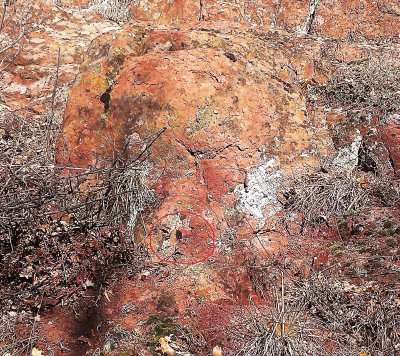
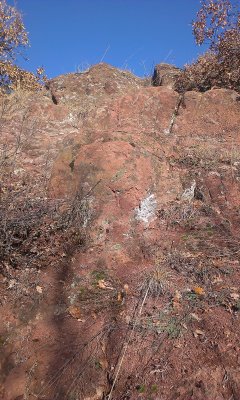
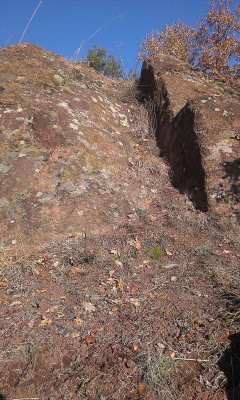
Thank you for the answer. The question is, why did they leave such a tool to be seen? At the place on the right, I also have 3 steps of stairs. Please see the new picture. I thing we have 2 places here - the one with the tool and another one above:Judging by the color of the rock, it could be iron or copper ore. It could also be a diagonally shaped mining tool.
Ekli dosyalar
-
 3.6 MB Görüntüleme: 24

T...Men
Aktif Üye
- Katılım
- 26 Kas 2025
- Mesajlar
- 130
- Tepkime puanı
- 81
- Puanları
- 5
The area you call a "staircase" could be a result of cutting through the rock to extract stones, perhaps it was built to secure a mine entrance, or it could be the site where construction of a monumental tomb began (especially during the Persian period, it was often built in three stages).Thank you for the answer. The question is, why did they leave such a tool to be seen? At the place on the right, I also have 3 steps of stairs. Please see the new picture. I thing we have 2 places here - the one with the tool and another one above:
We should consider the same rock formation as a single location. The necessary question is: why did they leave this tool there? If the area where the tool was found is covered with mortar, you should investigate that site.
Thank you for the answer. I will take this object and investigate the place when we have good weather here. The orientation of the site is South.The area you call a "staircase" could be a result of cutting through the rock to extract stones, perhaps it was built to secure a mine entrance, or it could be the site where construction of a monumental tomb began (especially during the Persian period, it was often built in three stages).
We should consider the same rock formation as a single location. The necessary question is: why did they leave this tool there? If the area where the tool was found is covered with mortar, you should investigate that site.
T...Men
Aktif Üye
- Katılım
- 26 Kas 2025
- Mesajlar
- 130
- Tepkime puanı
- 81
- Puanları
- 5
Yes, that's what you should do (don't forget to add a picture of the tool to your post!!). Also, after removing the tool, you should examine it half a meter into the rock.Thank you for the answer. I will take this object and investigate the place when we have good weather here. The orientation of the site is South.